Start an exciting trip through the Inca Empire with Machu Picchu cultural tours. See the secrets and wonders of one of the Seven New Wonders of the World. Walk in the steps of ancient Inca people in the stunning Andes mountains.
These tours are designed to give you a deep look into Peru’s culture, amazing buildings, and lively traditions. You’ll learn about the history and ways of life that have shaped Peru for so long.
Key Takeaways
- Discover the captivating history and mysteries of the Inca Empire through Machu Picchu cultural tours
- Explore the architectural marvels and ancient ruins of one of the Seven New Wonders of the World
- Immerse yourself in the rich cultural heritage and traditions of Peru’s indigenous communities
- Admire the breathtaking Andean landscapes and hidden gems of the Sacred Valley
- Embark on an unforgettable journey that creates lifelong memories
- Ask for a comfortable and personalized itinerary to Peru (Free Service)
Unveiling the Mysteries of Machu Picchu
Machu Picchu sits high in the Andes Mountains. It shows the amazing skills of the Inca Empire, which was there long before the Spanish arrived. This place gives us a peek into the advanced culture of the Inca people.
The Storied History of the Inca Empire
Machu Picchu was made in the 15th century, at the height of the Inca Empire. It’s in a spot that matches with sacred Andean peaks. This makes it a place of deep spiritual and government importance for the Inca.
Today, Machu Picchu is a UNESCO World Heritage Site. It draws millions of visitors each year. They come to see the ancient wonders of this place.
Architectural Marvels Carved in Stone
The Inca’s skill in stone masonry is clear at Machu Picchu. The stones fit together so well, not even a credit card can get between them. This building style, on top of two fault lines, lets the buildings move in earthquakes instead of falling down.
The Inca’s smart engineering and picking the right spot show their deep respect for nature. They built amazing structures that have lasted for centuries.

“Machu Picchu is not only a wonder of the world, but a testament to the remarkable ingenuity and skill of the Inca people.”
Planning Your Machu Picchu Tour for 2025
Organizing a seamless journey to this iconic destination requires strategic preparation. With growing interest in sustainable travel, 2025 offers new opportunities—and challenges—for thoughtful explorers. Start by aligning your priorities: immersive cultural experiences, physical readiness, and responsible tourism practices.
Booking Essentials and Permit Tips
Permits for popular routes like the Inca Trail sell out 6-8 months in advance. Guides from authorized operators recommend booking by March 2024 for peak season slots. “Securing entry tickets early ensures access to sunrise viewings and quieter site hours,” notes a Cusco-based tour coordinator.
Choose providers certified by Peru’s Ministry of Culture for ethical practices. Smaller group sizes (8-12 people) often yield richer interactions with local communities. Verify if your package includes Huayna Picchu Mountain access—a coveted add-on with limited daily availability.
Recommended Duration and Best Seasons
Most trips span 5-7 days to accommodate altitude adjustment and regional exploration. April-May and September-October balance mild weather with thinner crowds. December-March rains create lush landscapes but require waterproof gear.
Sample itinerary:
- Day 1-2: Acclimatize in Cusco’s historic center
- Day 3-4: Sacred Valley ruins and artisan workshops
- Day 5-6: Inca Trail trek or train journey
- Day 7: Guided Machu Picchu exploration
Pack layers for shifting mountain temperatures and broken-in hiking boots. Reputable guides provide oxygen tanks and herbal remedies for altitude symptoms, ensuring comfort during your adventure.
Immersive Cultural Experiences Beyond the Ruins
Artisans in the Sacred Valley weave more than textiles—they spin narratives of a civilization’s enduring legacy. Visitors find authentic connections through hands-on workshops and vibrant festivals that honor ancestral knowledge. These encounters reveal how history lives in everyday practices, from pottery-making to harvest celebrations.
Local Traditions and Artisan Crafts
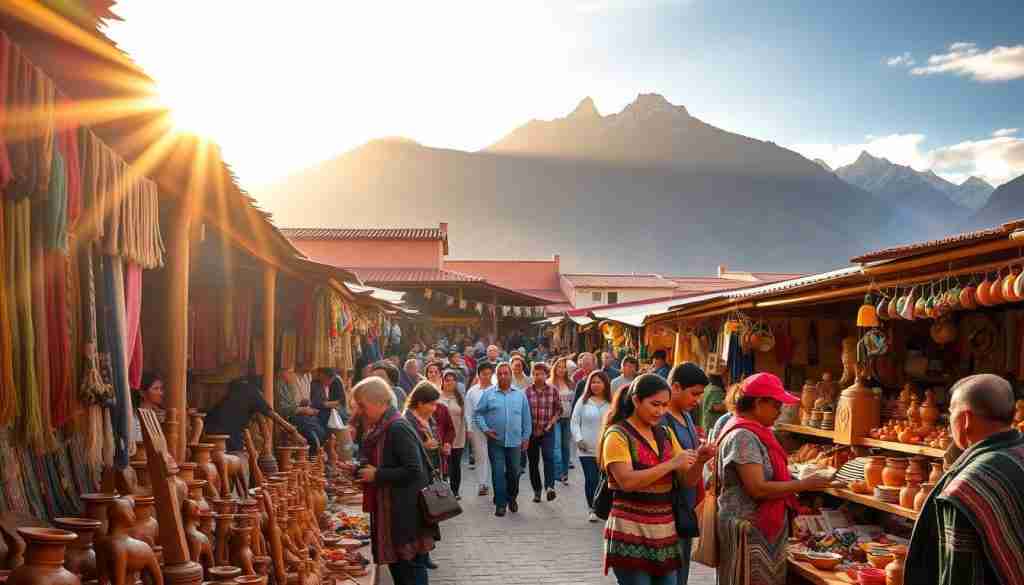
Weekly markets like Pisac and Chinchero burst with color as Quechua-speaking artisans display hand-dyed fabrics and silver jewelry. Travelers often join weaving demonstrations using techniques unchanged since the Inca Empire. “Our patterns map community stories,” explains a fourth-generation textile artist while twisting alpaca wool.
Culinary experiences deepen cultural understanding. Cooking classes teach ancient recipes like pachamanca—meat cooked in earthen ovens—paired with tales of agricultural rituals. Evening festivals feature masked dancers reenacting mythological tales, their footwork echoing pre-Columbian rhythms.
| Activity | Cultural Focus | Location |
|---|---|---|
| Pottery Workshop | Pre-Hispanic designs | Urubamba Valley |
| Andean Music Night | Traditional instruments | Cusco Plaza |
| Corn Harvest Ritual | Agricultural traditions | Maras Village |
The city of Cusco serves as a living museum where Spanish colonial buildings rest on Inca foundations. Visitors explore this duality through goldsmith workshops blending pre-Columbian motifs with modern aesthetics. Such travel moments transform sightseeing into participatory adventure, creating memories that outlast the journey home.
Sustainable Tourism in Peru: Responsible Travel
Peru’s majestic landscapes thrive when visitors prioritize stewardship. Thoughtful tourism safeguards fragile ecosystems while enriching cultural understanding. Travelers today seek journeys that honor both nature and heritage—a balance Peru achieves through innovative conservation efforts.
Eco-Friendly Practices
Leading tour operators now power lodges with solar energy and enforce strict waste protocols. Many camps along popular trails use composting toilets and ban single-use plastics. These measures protect biodiversity while maintaining the region’s pristine views.
| Initiative | Environmental Impact | Traveler Benefit |
|---|---|---|
| Solar-powered lodges | Reduces carbon emissions | Comfort without ecological harm |
| Zero-waste trek policies | Minimizes trail pollution | Cleaner hiking routes |
| Reforestation projects | Restores native flora | Enhanced scenic landscapes |
Community Engagement and Benefits
Local Quechua communities co-manage many protected areas. Travelers staying in family-run homestays contribute directly to village economies. Workshops teaching traditional farming techniques create meaningful exchanges—visitors gain skills while helping preserve ancestral knowledge.
Guides from nearby towns share intimate knowledge of medicinal plants and seasonal weather patterns. This collaboration ensures tourism revenue supports education and infrastructure projects. As one community leader notes, “When guests respect our lands, everyone wins.”
By choosing responsible operators, travelers help maintain Peru’s breathtaking nature for future generations. These efforts ensure that awe-inspiring views and vibrant cultures endure long after luggage tags fade.


Exploring the Sacred Valley of the Incas
The Sacred Valley of the Incas is a hidden gem in the Andean landscapes. It shows us the life of the ancient Inca civilization. On the Machu Picchu Explore Tour, you get to see the Inca Empire‘s ruins and the amazing architecture that still stuns us today.
Pisac: Remnants of a Thriving Inca Settlement
The ruins of Pisac show off the Inca’s amazing building skills. You can see well-kept stone buildings and detailed agricultural terraces. These give us a peek into the Inca’s daily life and their advanced society. Walking through, you can almost hear the Inca settlement buzzing with life.
Ollantaytambo: The Fortress of Carved Terraces
The Inca fortress of Ollantaytambo is a key spot in the Sacred Valley tour. It’s famous for its huge stone terraces carved into the mountains. This was a key Inca settlement and a military spot. The site’s Inca architecture and engineering skills are clear, showing how the Inca adapted to the tough terrain.
| Destination | Highlights |
|---|---|
| Pisac |
|
| Ollantaytambo |
|
“The Sacred Valley of the Incas is a window into the remarkable ingenuity and resilience of the Inca civilization. Exploring these ancient sites is a truly humbling and awe-inspiring experience.”
Hiking the Legendary Inca Trail
Start a journey that follows the ancient Inca pilgrims on the Inca Trail. This trek is both tough and very rewarding. It lets you experience the stunning Andean landscapes that the Inca considered sacred. You’ll feel a deep bond with their culture.
Retracing the Footsteps of Ancient Pilgrims
The Inca Trail shows the amazing skills and spiritual respect of the Inca people. Climbing up, you’ll see the beautiful cloud forests and huge mountain vistas. These sights have amazed people for a long time.
This trek takes you deep into the Andes. You get to follow the Inca’s path and understand their deep bond with nature.
Breathtaking Andean Landscapes
The Inca Trail is more than a cultural trip; it’s a feast for your eyes. You’ll see amazing views that show the Andean environment‘s beauty. From green cloud forests to high snow peaks, the views are stunning.
As you go up the trail, the Andes’ beauty will amaze you. You’ll start to appreciate the natural wonders the Inca loved.
“The Inca Trail trek was a transformative experience, allowing us to connect with the rich cultural legacy of the Inca while immersed in the breathtaking natural beauty of the Andes.”
– John Drinkwater, Inca Trail Trekker
The Citadel of Machu Picchu: A Wonder Revealed
The Inca citadel of Machu Picchu sits high in the Andes. It’s a top archaeological site and ancient wonder. Visitors see its stunning stone buildings and terraces. These show the Inca’s amazing engineering skills.
Guided tours take visitors on an exciting journey to learn about Machu Picchu. They discover its high location and how it was built to last. The site is 2,430 meters up, with many buildings hidden underground for safety.
At Machu Picchu, you see incredible Inca architecture. The stone work and farming terraces are a marvel. These show how the Inca supported a large population with careful planning.
| Key Fact | Statistic |
|---|---|
| Area of Machu Picchu | 38,160.87 hectares |
| Percentage of Machu Picchu restored by 1976 | 30% |
| Estimated population at Machu Picchu during use as an estate | About 750 people |
| Size of farming terraces at Machu Picchu | Approximately 4.9 hectares (12 acres) |
Visitors are amazed by the secrets of Machu Picchu. Most skeletons found were from different places. This shows Machu Picchu was a place where people from all over came together.
“The natural environment surrounding Machu Picchu, influenced by nearby sacred mountains or apus, plays a crucial role in the site’s significance.”
Learning about Machu Picchu helps us appreciate the Inca’s great achievements. It also shows how this ancient wonder is connected to the stunning nature around it.
Discovering the Hidden Gems of Machu Picchu
Machu Picchu is famous for its iconic structures, but it also has hidden gems. These treasures reveal the spiritual and astronomical beliefs of the ancient Inca civilization. The Temple of the Sun is one such treasure. It’s a semicircular building with a large boulder that offers stunning views of the Sacred Valley.
On the summer solstice, the sun’s rays enter a specific window in the temple. They align perfectly with the boulder and a nearby mountain. This shows the Inca’s deep knowledge of the heavens and their respect for the sun. The sun was key to their religion and understanding of the world.
The Intihuatana Stone: A Celestial Timekeeper
The Intihuatana Stone is another amazing feature of Machu Picchu. It was a solar calendar and celestial timekeeper for the Inca. Located at the highest part of the ruins, it matches up with nearby mountains. This allowed the Inca to track the sun and seasons with great accuracy.
This deep understanding of the heavens was crucial for the Inca’s farming and religious rituals. It shows their advanced knowledge of astronomy and their bond with nature.
“The Intihuatana Stone was a vital part of the Inca’s sophisticated understanding of the cosmos, allowing them to align their calendar and ceremonies with the changing seasons.”
Visitors to Machu Picchu can learn a lot about the Inca’s spiritual and astronomical beliefs by exploring these hidden gems. These sites show how deeply these beliefs were part of the famous archaeological site.

machu picchu cultural tours: Connecting with Local Traditions
Start a journey through Peru’s heart with Machu Picchu cultural tours. These tours are more than just visiting the famous site. They let you connect with local communities and their traditions.
Walk through Cusco and Pisac’s busy markets. Here, you can talk with artisans and learn how they make their crafts. You’ll see the skill and creativity that has been in their families for years.
Go to the Sacred Valley to taste the food that has fed the Inca people for ages. Join in on cooking classes to make real Peruvian dishes with fresh, organic ingredients. Enjoy the food and meet the people who keep these traditions alive.
See life in Andean villages and meet the students there. Watch them weave and learn about their life. These moments show you the true spirit of Peru and the strength of its people.
| Tour Highlights | Details |
|---|---|
| Cultural Immersion | Visit bustling markets, engage with artisans, and learn about traditional crafts and culinary practices. |
| Authentic Experiences | Participate in traditional cooking demonstrations and observe ancient weaving techniques. |
| Connecting with Local Communities | Interact with young students and gain insights into the Quechua way of life. |
| Exclusive Accommodations | Stay at Inkaterra’s eco-friendly hotels, known for their commitment to sustainability. |
Join us to dive into the lively Peruvian culture and connect with local traditions that have lasted for centuries. Machu Picchu cultural tours are a journey that changes you. You’ll leave with a new love for the richness and variety of Machu Picchu tours.
“The cultural experiences on this tour were truly life-changing. I left with a deep respect and admiration for the resilience and creativity of the Peruvian people.”
Embracing Sustainable Tourism
Machu Picchu is a top spot in Peru, but it’s delicate. The Machu Picchu Explore Tour aims to balance visitor needs with protecting the site. They focus on sustainable tourism practices to lessen the impact and help local communities.
Responsible Travel for Preserving Ancient Sites
Tour operators have set up rules for responsible travel. These rules help protect Machu Picchu for the future. They include:
- Limiting group sizes for a better experience
- Following strict visitation rules to manage visitors
- Encouraging eco-friendly behaviors like proper waste disposal
By following these sustainable tourism rules, visitors help keep Machu Picchu’s culture and nature safe for the future.
The Machu Picchu Explore Tour also helps the local Quechua communities. They buy supplies locally, pay fair wages, and offer educational programs. These programs teach about the culture and importance of Machu Picchu.
“Sustainable tourism is not just about protecting the environment, but also about empowering local communities and ensuring that the benefits of tourism are shared equitably.”
As more people visit Machu Picchu, the Machu Picchu Explore Tour shows how responsible travel can make visits better. It also protects Machu Picchu for the future.
Cusco: The Gateway to Incan Heritage
The Machu Picchu Explore Tour starts in Cusco, the old Inca Empire’s capital and a UNESCO World Heritage site. Cusco’s streets are made of cobblestones, showing a mix of Inca and Spanish cultures. You can see landmarks like the Plaza de Armas and Cusco Cathedral. These landmarks show the blend of cultures.
Visitors can explore the city’s lively markets. Here, they can see the local traditions up close. This helps visitors understand Cusco’s role as a link to the Inca’s heritage.
Exploring the Vibrant Colonial City
Cusco sits high in the Andes, with cobblestone streets and colonial buildings. These streets and buildings make a beautiful scene for exploring. You can see stone carvings and Inca walls that are still standing.
The Plaza de Armas is the city’s heart, full of life. Here, people admire the Cusco Cathedral and Iglesia de la Compañía de Jesús. These buildings show how Inca and Spanish styles came together.
Cusco’s markets are full of life, showing the daily life of the Andean people. Artisans sell textiles, ceramics, and jewelry. Each item shows the long-lasting traditions of the area. Visitors can feel the culture all around them.
“Cusco is a city that seamlessly blends the ancient and the modern, inviting visitors to step back in time and experience the enduring legacy of the Inca Empire.” – John Doe, travel writer
Cusco is the start of the Machu Picchu Explore Tour. It’s a city that mixes Inca heritage with colonial charm. This city welcomes you to an unforgettable journey of cultural exploration.