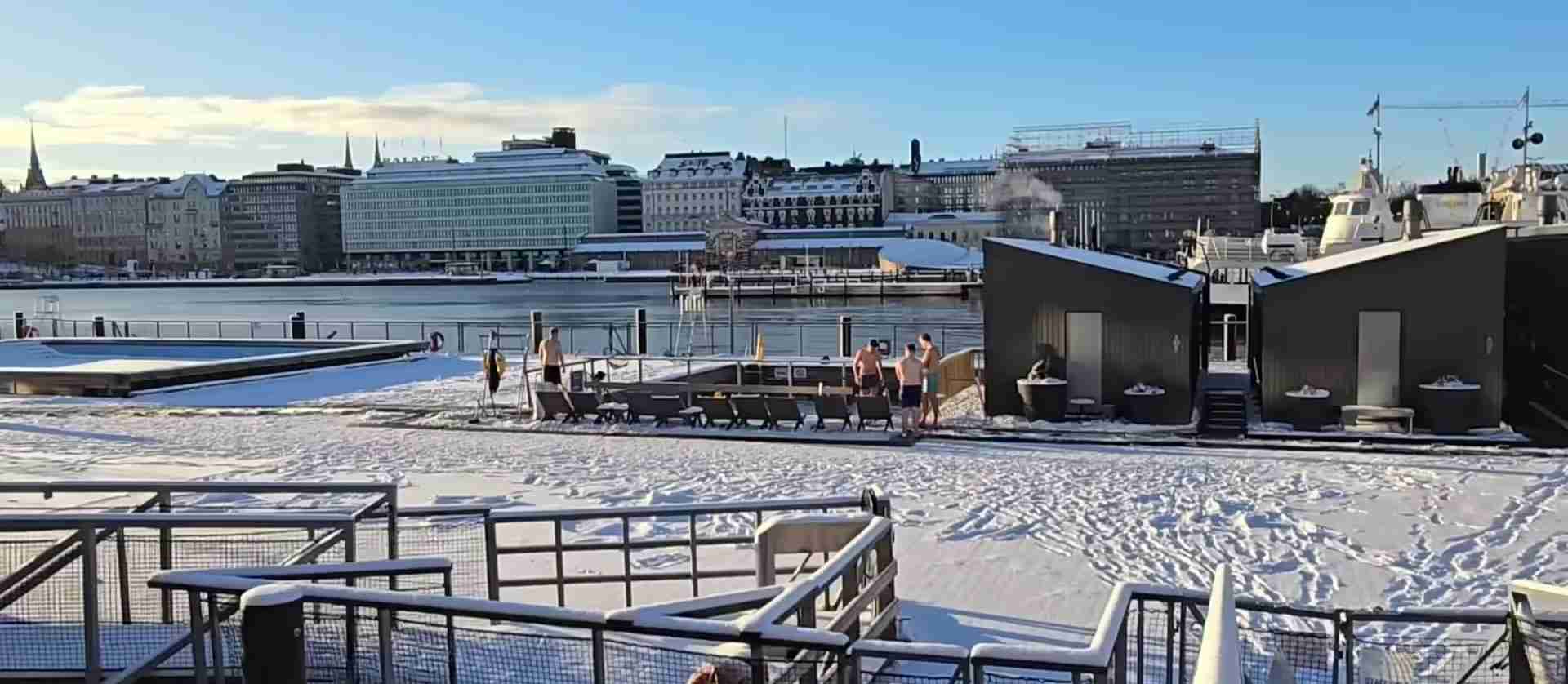
Finnish Sauna Experience: Complete Guide to Finland’s Sauna Culture
Finnish sauna culture represents one of the world’s most enduring wellness traditions, woven into the fabric of everyday life in Finland for over 2,000 years. With approximately 3.3 million saunas serving a population of 5.5 million people, this ancient practice transcends simple bathing to embody a profound connection between physical wellbeing, mental clarity, and cultural identity that UNESCO recognized as Intangible Cultural Heritage in 2020.
Key Takeaways
- Universal Accessibility: Finland maintains approximately 3.3 million saunas for 5.5 million inhabitants, meaning nearly one sauna exists for every two people—more saunas than registered automobiles nationwide
- UNESCO Recognition: Finnish sauna culture received UNESCO Intangible Cultural Heritage designation on December 17, 2020, acknowledging its profound cultural significance and centuries-old traditions
- Sacred Space Philosophy: Traditional Finnish culture regards the sauna as a “church of nature” where the concept of löyly (steam spirit) creates physical cleansing and spiritual renewal beyond mere bathing
- Temperature and Technique: Authentic Finnish saunas maintain temperatures between 70-110°C (160-230°F), with water thrown on heated stones to create löyly, the distinctive steam that defines the experience
- Cultural Integration: Sauna traditions permeate all aspects of Finnish society, from private homes and apartment buildings to corporate headquarters, Parliament House, and even 1,400 meters underground in the Pyhäsalmi Mine
- Ancient Heritage: Archaeological evidence suggests sauna-like structures existed in Finland as early as 7000 BC, making this one of the world’s oldest continuous bathing traditions
People Also Ask About Finnish Sauna Culture
What makes Finnish sauna culture different from other steam bath traditions?
Finnish sauna culture distinguishes itself through the concept of löyly, the sacred steam created by throwing water on heated stones. This isn’t merely steam in the technical sense—the Finnish language specifically uses löyly rather than the ordinary word höyry (steam) to convey its spiritual significance. The term löyly derives from ancient Uralic roots meaning “spirit, breath, soul,” reflecting the sauna’s role as a space for both physical and spiritual cleansing. Unlike other steam bath traditions, Finnish saunas emphasize the complete experience: the intense heat, the cooling-off period in lakes or snow, the social bonding, and the meditative quality of the ritual. The practice integrates into daily life rather than serving as an occasional luxury, with most Finns taking sauna at least weekly. Additionally, the egalitarian nature of Finnish sauna culture—where social hierarchies dissolve and everyone sits equally—creates a uniquely democratic space found in few other bathing traditions worldwide.
Why do Finns traditionally go to sauna naked?
Nudity in Finnish saunas reflects practical, cultural, and philosophical principles deeply rooted in Finnish values. Practically, clothing interferes with the sauna’s cleansing purpose and prevents the skin from breathing and sweating properly. Culturally, nakedness represents equality—when everyone is stripped of status symbols, hierarchies dissolve and all participants become equal. This egalitarian principle extends to Finnish society’s broader values of fairness and lack of pretension. Philosophically, the naked body in sauna connects to the concept of returning to a natural state, free from modern artifice. Finnish sauna culture views the body without shame, as a natural fact requiring cleansing and care. Families traditionally sauna together (though teenagers often stop joining parents), and in public settings, gender separation maintains comfort while preserving the principle of natural, unadorned presence. The practice emphasizes respect, dignity, and the sauna’s role as a sacred space where pretense has no place.
What is the proper Finnish sauna etiquette and ritual?
Proper Finnish sauna etiquette begins with showering thoroughly before entering the hot room, ensuring cleanliness out of respect for fellow bathers. Participants sit or recline on wooden benches, often placing a small towel or disposable tissue (pefletti) beneath them for hygiene. The ritual involves multiple cycles: heating in the sauna room until comfort limits are reached, then cooling down through swimming, showering, or in winter, rolling in snow or plunging into an ice hole (avanto). Water is thrown on the heated stones periodically to create löyly, though the person tending the stones should gauge others’ comfort levels. Conversation in the sauna remains quiet and respectful, never boisterous. Between heating cycles, participants rest in changing rooms or on porches, often enjoying traditional sausage (makkara) with beer or soft drinks. The complete experience typically involves 2-3 cycles over 30 minutes to 2 hours. In summer cottages, particularly during the endless daylight of midnight sun season, sauna sessions can extend late into the night. The final cycle concludes with thorough washing before dressing.
How has sauna culture shaped Finnish national identity?
Sauna culture forms a foundational pillar of Finnish national identity, influencing everything from language and social customs to business practices and international diplomacy. The Finnish word “sauna” itself became the internationally recognized term, one of the few Finnish words adopted globally. Historically, saunas served not merely as bathing spaces but as sites where children were born, the sick were tended, and the deceased were prepared for burial—marking all significant life transitions. This cultural centrality explains why Finnish soldiers famously construct saunas even in remote peacekeeping missions, and why a WWII military manual specified that a battalion required only eight hours to build, heat, and use saunas. The tradition has shaped Finnish business culture’s emphasis on equality, trust-building, and direct communication, with “sauna diplomacy” becoming a recognized practice where political and corporate negotiations occur in the equalizing environment of the hot room. President Urho Kekkonen notably used sauna meetings to mediate between East and West during the Cold War. The sauna represents Finnish values of resilience, simplicity, connection to nature, and the importance of taking time for reflection and renewal amidst modern life’s pressures.
Extended multi-day tours – 5+ days
Featured Helsinki Multi-Day Tour Packages
6 days
Scandinavian Secrets
- ✓ Comprehensive Helsinki tour
- ✓ Expert local guides included
- ✓ All accommodation arranged
- ✓ Transportation provided
5 days
Estonia and Finland: Christmas Markets in Tallinn and Helsinki
- ✓ Booking needs min. 2 travelers
7 days
Jewels of Scandinavia End Helsinki (8 destinations)
- ✓ Comprehensive Helsinki tour
- ✓ Expert local guides included
- ✓ All accommodation arranged
- ✓ Transportation provided

7 days
Winter Sleep – Archipelago Winter Wellness Week
- ✓ Comprehensive Helsinki tour
- ✓ Expert local guides included
- ✓ All accommodation arranged
- ✓ Transportation provided
Multi-day tour packages powered by TourRadar. Prices and availability subject to change.
Introduction: Understanding Finland’s Living Heritage
The Finnish sauna transcends its function as a heated room for bathing to embody a complete cultural philosophy encompassing wellness, social connection, spiritual renewal, and national identity. Unlike spa treatments or occasional luxury experiences in other cultures, the sauna in Finland represents an essential component of daily life, a practice so fundamental that architectural plans for homes typically include sauna spaces as standard features rather than optional amenities.
This comprehensive guide explores the depths of Finnish sauna culture, examining its ancient origins, the precise rituals and techniques that define authentic practice, the philosophical concepts underlying the tradition, and its continuing evolution in modern Finnish society. Understanding Finnish sauna culture requires moving beyond surface observations about heat and steam to appreciate the layered meanings, social dynamics, and profound connection between body, mind, and environment that generations of Finns have cultivated and preserved.
The sauna’s ubiquity in Finland—with 3.3 million saunas serving 5.5 million people—demonstrates how thoroughly this tradition permeates Finnish life. These aren’t merely private amenities for the wealthy; saunas exist in apartment buildings, summer cottages, corporate offices, universities, government buildings, hospitals, military bases, and even industrial sites. This universal accessibility reflects Finnish values of equality and the belief that certain fundamental experiences should be available to all, regardless of social status or economic circumstances.
Ancient Origins and Historical Development
Prehistoric Beginnings: The Birth of Sauna Tradition
Archaeological evidence suggests that sauna-like heated structures existed in the Finnish region as early as 7000 BC, making the sauna one of humanity’s oldest continuous wellness practices. These earliest saunas likely consisted of pits dug into slopes, covered with hides or turf, and heated with hot stones. As Finnish dwelling construction evolved, so did sauna technology, progressing from pit structures to log buildings with increasingly sophisticated heating systems.
The original Finnish sauna, the savusauna (smoke sauna), operated without a chimney. Wood burned in a large stone-filled stove, with smoke permeating the room and eventually escaping through small openings. After the wood burned down completely and most smoke cleared, the door closed, trapping residual heat in the stones. This method produced exceptionally soft, even heat and a distinctive wood-smoke aroma that enthusiasts still consider the finest sauna experience. Smoke saunas required several hours to heat properly but maintained temperature for extended periods, making them ideal for the long bathing sessions characteristic of traditional Finnish sauna culture.
Evolution Through Finnish History
Throughout Finnish history, the sauna served functions far beyond bathing. In centuries past, when most rural Finns lived in simple wooden houses without running water, the sauna provided the only space with heat and hot water during harsh winters. This practical necessity elevated the sauna to a central position in domestic life. Women gave birth in saunas, where heat and hot water were readily available and the space could be made as sterile as possible. The sick were tended in saunas, where heat was believed to have curative properties—reflected in the traditional Finnish saying “Jos sauna, terva ja viina ei auta, tauti on kuolemaksi” (If sauna, tar, and liquor don’t help, the illness is fatal).
The sauna also served sacred functions. Bodies of the deceased were washed and prepared in saunas before burial. Brides bathed in saunas before weddings, a ritual cleansing marking the transition to married life. The space was believed to house its own spirit, the saunatonttu (sauna elf), a benevolent creature living in the narrow space between the stove and wall. Maintaining good relations with the saunatonttu required respectful behavior—speaking quietly, avoiding vulgar language, and never defiling the sacred space.
Modernization and Urban Adaptation
The 20th century brought significant changes to Finnish sauna culture. As Finland urbanized and modernized, apartment buildings replaced rural cottages, and electric and gas heating systems supplanted wood-burning stoves. Public saunas proliferated in cities during the early-to-mid 1900s, serving residents of apartment buildings without private facilities. These communal saunas became important social institutions where neighbors gathered, news was exchanged, and community bonds strengthened.
The post-World War II construction boom saw apartment buildings routinely equipped with shared saunas in basements or common areas, while larger residential units often included private saunas. By the late 20th century, sauna installation in new homes and apartments became standard practice. Even as traditional public saunas declined in the 1950s-1980s, the sauna remained central to Finnish life through these residential facilities.
Recent decades have witnessed a renaissance of public sauna culture. New public saunas combining traditional practices with contemporary architecture have emerged in Helsinki and other cities, attracting both Finns seeking authentic experiences and international visitors discovering Finnish sauna culture. Facilities like Löyly in Helsinki, recognized by TIME magazine as one of the world’s greatest places, demonstrate how Finnish sauna tradition continues evolving while maintaining its cultural essence.
The Sacred Concept of Löyly
Linguistic and Spiritual Significance
The Finnish word löyly occupies a unique position in the language and culture, with no direct translation in other languages. While often rendered as “steam” in English, this translation fails to capture the term’s deeper meanings. Löyly specifically describes the spirit or steam released when water strikes heated stones in a sauna, creating an experience distinct from ordinary steam (höyry in Finnish, a word never used for sauna steam except in scientific contexts).
The etymological roots of löyly reveal its spiritual dimensions. Related to words meaning “spirit, breath, soul” in Finnic languages (Estonian leil, Karelian löyly, Votic leülü), and to terms for “life” in broader Uralic languages (Udmurt lul, Komi lol, Hungarian lélek), löyly represents more than mere water vapor. It embodies the sauna’s animating principle, the force that transforms a heated room into a space of renewal and transcendence.
Creating and Experiencing Löyly
Generating löyly requires understanding the relationship between water, heat, and timing. The kiuas (sauna stove) heats a substantial mass of stones—traditionally dark, dense igneous rocks capable of withstanding extreme temperature changes. These stones accumulate and radiate heat, creating the sauna’s enveloping warmth. When water strikes the stones’ surface, it instantly vaporizes, creating löyly that rises and disperses through the room.
The art of creating good löyly involves several factors: the stones’ temperature (too cool produces weak steam, too hot can crack stones), the water’s quality (soft water creates smoother löyly), the amount thrown (too little produces minimal effect, too much can cool the stones excessively), and the throwing technique (gentle splashing versus direct pouring creates different steam qualities). Experienced sauna-goers develop intuition for these variables, adjusting their approach based on the specific sauna’s characteristics and fellow bathers’ preferences.
Experiencing löyly engages multiple senses simultaneously. The initial wave of heat rises from the stones, enveloping the skin in intense warmth that prompts immediate sweating. The moisture content increases humidity, intensifying the heat sensation. The sound of water striking hot stones, the hiss of instant vaporization, creates an auditory dimension. In wood-heated saunas, the scent of smoke-infused stones adds an olfactory element. Together, these sensory inputs create the distinctive sauna experience that Finns cherish and that draws increasing numbers of international enthusiasts.
Löyly in Finnish Philosophy and Wellness
The concept of löyly extends beyond the physical phenomenon to encompass philosophical and wellness dimensions. When Finns speak of “good löyly,” they refer not merely to optimal temperature and humidity but to a quality of experience—the feeling of mental clarity, physical relaxation, and spiritual renewal that proper sauna bathing produces. This holistic understanding connects sauna culture to broader Finnish approaches to wellbeing that emphasize balance, connection to nature, and the integration of body and mind.
Traditional Finnish belief held that one must behave in the sauna as in church—with respect, quiet dignity, and mindful presence. This equation of sauna with sacred space reflects the understanding that löyly creates conditions for transformation, for shedding not merely physical impurities through sweat but mental burdens through the meditative quality of heat and silence. The sauna becomes a threshold space where the ordinary concerns of daily life recede, allowing deeper reflection and renewal.
Types of Finnish Saunas
Savusauna: The Traditional Smoke Sauna
The savusauna (smoke sauna) represents the oldest and, many would argue, finest form of Finnish sauna. Operating without a chimney, smoke saunas require several hours of preparation. Large amounts of wood burn in a massive stone-filled stove, with smoke circulating through the room before escaping through small vents or cracks. When the wood has burned completely and smoke mostly dissipated, the vents close, trapping heat in the stones and walls.
The result is incomparably soft, even heat. Smoke sauna devotees describe the warmth as “gentle” despite high temperatures, crediting the smoke-blackened walls’ radiant heat distribution and the massive stone mass’s steady thermal output. The wood smoke aroma, absorbed into the building’s timbers over years or decades of use, adds a distinctive sensory dimension absent in modern saunas.
Smoke saunas demand patience and skill. Preparation begins hours before bathing, requiring knowledge of wood selection (birch and alder produce optimal results), fire management (ensuring complete combustion before closing vents), and timing (allowing sufficient smoke clearing while preserving heat). These demands make smoke saunas less common than modern alternatives, but enthusiasts maintain this tradition, particularly in rural areas and summer cottages where time moves more slowly and old ways persist.
Wood-Heated Saunas with Chimneys
The introduction of chimney stoves represented a significant evolution in sauna technology, combining traditional wood-burning with improved convenience. These saunas heat more quickly than smoke saunas (typically 1-2 hours versus 4-6 hours) and require less wood. The chimney removes smoke continuously, eliminating the waiting period needed for smoke clearing in traditional saunas.
Wood-heated saunas with chimneys remain popular in summer cottages and rural homes where wood is readily available and the ritual of preparing the fire adds to the sauna experience. The crackling of burning wood, the need to tend the fire periodically, and the connection to traditional practices appeal to those seeking authentic experiences. Many Finns consider the ritual of preparing a wood-heated sauna—splitting kindling, arranging logs, nursing the fire to life—an integral part of the sauna experience, a meditation in itself before the main event.
Electric Saunas: Modern Convenience
Electric saunas dominate urban Finland, offering convenience particularly suited to apartment living. Heating in 30-45 minutes, requiring no wood storage or fire tending, and incorporating automatic temperature controls, electric saunas make daily sauna bathing practical for busy modern schedules. Apartment building shared saunas almost universally use electric heating, as do most private apartment saunas.
While purists may lament the absence of wood smoke aroma and the ritual of fire preparation, well-designed electric saunas produce excellent löyly when equipped with adequate stone mass. The convenience factor has actually strengthened sauna culture by making it accessible for daily use rather than weekend-only occasions. Many Finnish families maintain both types—electric saunas in city apartments for weekday bathing, wood-heated saunas at summer cottages for weekend and holiday use.
Infrared and Other Modern Variations
Recent decades have seen the introduction of infrared saunas, which heat the body directly through infrared radiation rather than heating the air. These operate at lower temperatures (typically 40-60°C versus 70-110°C in traditional saunas) and don’t accommodate löyly creation. While marketed for specific health benefits, many traditional sauna enthusiasts don’t consider infrared rooms true saunas, as they lack the essential elements of hot air, high humidity from löyly, and the complete ritual cycle of heating and cooling.
Nevertheless, infrared saunas have found a niche in Finland, particularly among those with medical conditions preventing tolerance of high heat or those focusing on specific therapeutic applications. The diversity of sauna types reflects Finnish pragmatism—while respecting tradition, Finns adapt technologies to serve wellness goals and accommodate individual needs and preferences.
The Complete Finnish Sauna Ritual
Preparation and Entering
The proper Finnish sauna experience begins before entering the hot room. Showering thoroughly cleanses the body, showing respect for fellow bathers and preparing the skin for effective sweating. Some traditions involve light stretching or brief cardiovascular exercise to activate circulation before heat exposure. Mental preparation matters equally—approaching the sauna with mindfulness rather than haste, leaving the day’s concerns outside, entering with intention to relax and renew.
Entering the sauna, bathers remove all clothing (in private or family settings) or separate by gender (in public facilities). Jewelry should be removed, as metal conducts heat and can burn skin. Many bring a small towel to sit on and a ladle for creating löyly. The initial sensation upon entering a properly heated sauna strikes immediately—the wave of dry heat enveloping the body, the distinctive scent of heated wood, the visual simplicity of wooden benches and stone-filled stove.
The Heating Cycle
Bathers typically begin on lower benches where temperatures are cooler, moving to higher benches as the body acclimates (heat rises, creating significant temperature gradients with upper benches 20-30°C hotter than lower ones). The first minutes involve adjustment—breathing deeply, allowing the body to relax into the heat, feeling initial sweat beginning.
After 5-10 minutes of dry heat, someone creates löyly by throwing water on the stones. The resulting steam wave intensifies heat sensation dramatically, prompting profuse sweating. Some traditions involve using a vihta or vasta (bundle of fresh birch branches with leaves) to gently strike the skin, promoting circulation and adding a pleasant birch aroma. This practice supposedly helps relax muscles and soothe mosquito bites, though many simply enjoy the sensory experience.
The heating cycle continues until individual comfort limits are reached—typically 10-20 minutes for experienced bathers, though this varies greatly based on temperature, humidity, and personal tolerance. Signs that it’s time to cool down include dizziness, excessive discomfort, or simply feeling sufficiently heated. There’s no virtue in enduring beyond comfort; the sauna experience should be pleasant, not punishing.
The Cooling Period
Exiting the hot room, bathers cool down through various methods depending on season and setting. The classic Finnish cooling involves plunging into a lake or sea—the shock of cold water after intense heat creating an exhilarating sensation that enthusiasts describe as transcendent. In winter, alternatives include rolling in snow, creating snow angels, or swimming in an avanto (hole cut in lake ice), though these extreme cooling methods require gradual acclimation and aren’t recommended for sauna novices or those with cardiovascular conditions.
For those without access to natural water or reluctant to embrace extreme cold, cool showers provide effective cooling. Some traditions involve standing outdoors in cold air, allowing the body to cool gradually while enjoying the sensations of heat dissipating and sweat evaporating. The cooling period typically lasts 5-15 minutes, sufficient for body temperature to normalize and heart rate to slow.
Rest and Repetition
Between heating and cooling cycles, bathers rest in changing rooms or on porches, often wrapped in towels or robes. This rest period allows the body to stabilize, provides time for conversation and socializing, and offers opportunity for refreshment—water to replace fluids lost through sweating, or traditional post-sauna foods like sausage, which many Finns consider an essential component of the complete experience.
The cycle repeats typically 2-3 times over 30 minutes to 2 hours. Each cycle may involve different dynamics—perhaps more or less löyly, varied time on the benches, different cooling methods. The final cycle concludes with thorough washing using soap and shampoo, rinsing completely before dressing. This washing wasn’t merely practical when saunas served as the primary bathing facility; it represents ritual completion, the transition from sacred sauna space back to ordinary life.
Post-Sauna Afterglow
After finishing sauna bathing, the body enters a distinctive state that Finns recognize and value. Muscles feel deeply relaxed, the skin appears flushed and feels exceptionally clean, and mental clarity often accompanies physical relaxation. This “sauna afterglow” can persist for hours, contributing to improved sleep quality when sauna bathing occurs in the evening—a common Finnish practice, with Saturday evening sauna being a national tradition.
Hydration matters post-sauna, as the body has lost significant fluids through sweating. Water, juice, or in adult social contexts, beer, help restore fluid balance. Some Finns apply moisturizers or natural oils to skin while pores remain open, believing this enhances absorption and skin health benefits.
Sauna in Finnish Social Life
Family Sauna Traditions
Finnish families typically sauna together when children are young, viewing the practice as a natural family activity requiring no more explanation than shared meals. Children learn sauna etiquette through observation and gentle correction, absorbing cultural knowledge through participation. However, as children reach adolescence, patterns typically change. Teenagers often stop joining parents, instead going to sauna with siblings closer in age or friends, or taking sauna alone. This transition reflects developing body awareness and changing family dynamics while maintaining the overall cultural practice.
Summer cottage sauna represents a particular category of family tradition. Most Finnish families with cottages (approximately 500,000 cottages serve Finland’s 5.5 million people) include saunas as essential facilities. Weekend and holiday cottage life revolves significantly around sauna use, with the ritual of heating the sauna, bathing, and cooling in the lake constituting a primary cottage activity. These sessions often extend into the night during summer’s endless daylight, with families and guests cycling through the sauna over several hours in a relaxed, unhurried atmosphere impossible to maintain during busy workweeks.
Sauna and Gender Dynamics
Traditional Finnish sauna culture involves various configurations regarding gender and bathing company. Public saunas almost always separate by gender, with distinct bathing times or separate facilities for men and women. Private family saunas accommodate mixed-gender bathing among family members, though as noted, this typically changes as children age into adolescence.
Among adults, mixed-gender sauna bathing with non-family members varies based on age, relationships, and context. Younger adults commonly sauna together in mixed groups, viewing the practice as natural and non-sexual. Older generations tend toward more conservative patterns, with same-gender groups being more common. Formal or professional contexts typically involve gender separation unless the group knows each other well and has established comfort with mixed bathing.
The sauna’s emphasis on equality and the shedding of social pretense theoretically transcends gender, creating a democratic space where all participants share vulnerability and common humanity. However, practical considerations of modesty, cultural background of non-Finnish participants, and varying comfort levels mean that gender dynamics require ongoing negotiation and respect for individual boundaries.
Sauna in Professional and Political Life
Finnish business culture’s integration of sauna traditions creates unique professional dynamics. Many companies maintain saunas in office buildings or reserved facilities, using sauna meetings as opportunities for informal discussion, relationship building, and occasionally, significant decision-making. The egalitarian nature of the sauna—where hierarchical markers disappear along with clothing—creates conditions for more open communication than formal office settings allow.
“Sauna diplomacy” became a recognized term through Finnish political history, particularly during President Urho Kekkonen’s tenure (1956-1982). Kekkonen regularly used sauna meetings to conduct diplomatic negotiations, mediating between East and West during the Cold War in the neutral, equalizing space of the hot room. The practice continued with subsequent leaders and extended to international visitors, with the Finnish government maintaining official saunas for diplomatic purposes.
The effectiveness of sauna diplomacy stems from several factors: the relaxed, informal atmosphere facilitates honest conversation, the absence of recording devices or observers creates privacy, the physical discomfort of heat tests resolve and seriousness of purpose, and the shared vulnerability of nakedness and sweating creates psychological leveling that formal settings prevent. While modern professional contexts exercise increasing care about appropriate boundaries and inclusion (ensuring all relevant parties can participate regardless of comfort with sauna nudity), sauna meetings remain part of Finnish business culture’s toolkit.
Sauna as Community Space
Historically, public saunas served as important community gathering places in Finnish cities. Neighborhood saunas provided not just bathing facilities but social centers where news was exchanged, relationships formed, and community cohesion strengthened. The decline of public saunas from the 1950s through 1980s, as apartment buildings incorporated private or shared facilities, initially seemed to threaten this community dimension of sauna culture.
However, recent years have witnessed a public sauna renaissance. New facilities combining traditional sauna culture with contemporary architecture and design have emerged, attracting both Finns seeking authentic experiences and international visitors. These modern public saunas serve diverse functions—wellness centers, social gathering places, architectural landmarks, and ambassadors of Finnish culture to the world.
Helsinki’s Löyly exemplifies this renaissance. Opened in 2016, this striking architectural structure on the waterfront houses traditional wood-heated saunas and modern facilities, along with restaurant and terrace spaces. The design earned international recognition, demonstrating how Finnish sauna culture can evolve and modernize while maintaining essential traditional elements. Other cities have followed Helsinki’s lead, opening new public saunas that serve both traditional functions and contemporary wellness tourism.
Health Benefits and Wellness Dimensions
Physiological Effects of Sauna Bathing
Regular sauna bathing produces numerous physiological effects that contribute to overall wellness. The heat causes blood vessels to dilate, increasing circulation and delivering oxygen-rich blood throughout the body. Heart rate increases similarly to moderate exercise, providing cardiovascular stimulation without the joint impact of physical activity. Profuse sweating eliminates toxins and cleans pores deeply, contributing to skin health and clarity.
The heating-cooling cycle characteristic of Finnish sauna use creates additional benefits. The sudden cooling after intense heat causes blood vessels to constrict, creating a “vascular workout” that may improve circulatory system flexibility and function. This thermal stress appears to trigger adaptive responses that strengthen the body’s regulatory systems. Research suggests regular sauna bathing may benefit cardiovascular health, reduce inflammation, improve immune function, and potentially decrease risks of certain chronic conditions.
Recent medical research has increasingly validated traditional Finnish beliefs about sauna’s health benefits. Studies from Finland, where sauna use is ubiquitous and long-term health data abundant, suggest associations between frequent sauna bathing and reduced cardiovascular disease risk, lower blood pressure, decreased dementia risk, and improved respiratory function. While research continues and some claimed benefits require further validation, the accumulating evidence supports sauna bathing as a valuable wellness practice.
Mental Health and Stress Reduction
Beyond physiological benefits, sauna bathing significantly impacts mental health and stress reduction. The enforced stillness of sitting in heat creates meditative conditions—there’s little to do but breathe, feel the warmth, and allow thoughts to drift. This mandated pause from daily activity provides respite increasingly valuable in modern life’s constant stimulation and demand.
The heat itself appears to affect mood and stress levels directly. Research suggests that elevated body temperature may influence neurotransmitter activity, potentially increasing endorphin release and creating the sense of wellbeing and relaxation that follows sauna bathing. The combination of physical relaxation, mental quieting, and biochemical changes creates powerful stress-reduction effects that many regular sauna users report as essential to their mental health maintenance.
The social dimension of sauna bathing adds another mental health component. Shared sauna experiences create bonds and facilitate conversation in ways distinct from other social contexts. The combination of privacy, physical relaxation, and ritual framing allows for deeper, more honest communication than typical social situations permit. For those experiencing isolation or disconnection, regular participation in sauna culture provides community belonging and social integration.
Contraindications and Safety Considerations
While sauna bathing benefits most people, certain conditions require caution or medical consultation before use. Pregnant women should consult healthcare providers, as the safety of high heat exposure during pregnancy requires individual assessment. Those with cardiovascular conditions, particularly unstable heart disease or uncontrolled high blood pressure, should seek medical advice before sauna use, as the cardiovascular stress of heat exposure may pose risks.
Acute illness, particularly fever, contraindicates sauna bathing—the traditional Finnish saying about sauna, tar, and liquor notwithstanding, modern medical understanding advises against heat exposure when the body is already fighting infection. Alcohol consumption before or during sauna use carries significant risks, as alcohol impairs temperature regulation and increases dehydration risk, despite social traditions sometimes including beer during sauna sessions.
Safety practices include staying well-hydrated, limiting initial sessions to shorter durations while building tolerance, avoiding sauna use when taking medications that affect temperature regulation or blood pressure, listening to the body’s signals and exiting when uncomfortable, and never using sauna alone when experiencing health issues or using it for the first time.
Finnish Sauna Culture in Global Context
UNESCO Intangible Cultural Heritage Recognition
On December 17, 2020, UNESCO inscribed Finnish sauna culture on the Representative List of the Intangible Cultural Heritage of Humanity, recognizing the profound cultural significance of this living tradition. The inscription acknowledges sauna culture’s role in Finnish identity, its transmission across generations, and its continuing vitality in contemporary society.
The UNESCO recognition emphasized several key aspects: the sauna’s role as a space for physical and mental cleansing, its function as a site for equality and social bonding, the transmission of knowledge through families and communities, and the tradition’s adaptation to modern life while maintaining essential cultural elements. The designation commits Finland to safeguarding sauna culture’s vitality and promoting understanding of its significance.
This recognition carries particular importance as global wellness culture increasingly commodifies and transforms traditional practices. UNESCO status helps distinguish authentic Finnish sauna culture from commercialized imitations, provides framework for preservation efforts, and raises awareness of the tradition’s cultural depths beyond superficial adoption of surface elements.
International Spread and Adaptation
The word “sauna” itself demonstrates Finnish cultural influence—it’s one of few Finnish words adopted internationally, now recognized globally as the term for heated bathing facilities. However, the international spread of saunas has often involved significant departures from Finnish practices, creating experiences that Finns may not recognize as authentic.
Commercial saunas in hotels, gyms, and spas worldwide frequently operate at lower temperatures, lack proper löyly creation, and integrate into rushed wellness routines rather than the extended, contemplative practice characteristic of Finnish tradition. Some facilities maintain sauna temperatures around 60-70°C to accommodate users uncomfortable with higher heat, missing the essential intensity of authentic Finnish sauna. Others discourage or prohibit water on stones, eliminating löyly entirely.
Nevertheless, growing international interest in authentic Finnish sauna culture has emerged, particularly as research on health benefits accumulates and wellness tourism develops. Finland itself has capitalized on this interest, promoting sauna culture as a tourism attraction and export. Public saunas in Helsinki and other cities specifically welcome international visitors, providing guidance on proper practices and cultural context. Sauna tourism contributes increasingly to Finland’s international profile and economy.
World Sauna Day and Global Sauna Community
World Sauna Day, while initiated in Finland, has grown into an international celebration connecting diverse sauna cultures worldwide. The initiative promotes sauna traditions from various cultures—Finnish saunas, Estonian saunas, Japanese sento, Russian banyas, Korean jjimjilbangs—emphasizing shared values of wellness, community, and the human need for cleansing rituals.
The event highlights both the specificity of each culture’s practices and the universal appeal of heat-based bathing traditions. While respecting cultural differences and authenticity, World Sauna Day creates space for dialogue and exchange among global sauna communities, potentially enriching all traditions through increased awareness and appreciation.
Contemporary Evolution and Future Directions
Urban Sauna Renaissance
Finnish cities, particularly Helsinki, have experienced a remarkable sauna renaissance in recent years. New public saunas combining traditional practices with contemporary architecture have transformed urban waterfront areas and created new social spaces. Facilities like Löyly, Allas Sea Pool, and Kulttuurisauna attract both locals and tourists, demonstrating strong demand for authentic public sauna experiences even in a society where most people have access to private or building-shared saunas.
This urban renaissance reflects several trends: increasing appreciation for authentic traditional practices in reaction to modern life’s artificiality, desire for social gathering spaces offering alternatives to commercial consumption, wellness tourism’s growth as an economic sector, and architectural interest in creating contemporary expressions of cultural traditions. These new facilities successfully balance innovation and tradition, introducing modern materials and design while preserving essential cultural elements.
Sauna and Sustainability
Modern environmental consciousness has focused attention on sauna culture’s sustainability dimensions. Traditional wood-heated saunas, while culturally valued, raise questions about energy use and emissions, particularly when wood comes from unsustainable sources. Electric saunas, while convenient, consume significant electricity, with environmental impact depending on power generation sources.
Innovations addressing sustainability include improved insulation reducing heating requirements, heat recovery systems capturing and reusing thermal energy, solar-assisted heating reducing grid electricity dependence, and sustainable forestry practices ensuring wood supplies come from responsibly managed sources. Some new public saunas showcase sustainable technologies, demonstrating how tradition and environmental responsibility can align.
The broader question of sauna’s place in sustainable living connects to Finnish concepts of balance and moderation. From one perspective, regular sauna use represents resource-intensive luxury difficult to justify in an era of climate crisis. From another, sauna’s wellness benefits, social functions, and role in cultural identity create value justifying reasonable resource use. Finnish discussion of these tensions reflects broader societal negotiations about maintaining cultural practices while addressing environmental imperatives.
Technology and Tradition
Modern technology increasingly intersects with sauna culture in ways both enhancing and potentially threatening traditional practices. Smart sauna controls allow remote operation and precise temperature management, adding convenience particularly for busy urban dwellers. Booking apps for public saunas streamline access and manage capacity. Online communities share sauna knowledge and connect enthusiasts globally.
However, technology’s intrusion into sauna space itself raises concerns. The traditional view of sauna as a place for disconnection from daily concerns conflicts with smartphone culture and constant connectivity. Some purists worry that technology threatens sauna’s essential quality as refuge from modern life’s demands. Others pragmatically accept technology’s inevitability while establishing boundaries—perhaps allowing smart controls but prohibiting phones in the hot room itself.
The resolution of these tensions likely involves selective adoption—using technology to enhance access and efficiency while preserving sauna space itself as screen-free refuge. This balanced approach reflects broader Finnish pragmatism about technology, embracing useful innovations while protecting valued traditions and spaces.
Experiencing Finnish Sauna Culture as a Visitor
Public Saunas: Accessible Entry Points
Visitors to Finland seeking authentic sauna experiences have numerous public sauna options, particularly in Helsinki and other major cities. Traditional neighborhood saunas like Kotiharjun Sauna and Arla-sauna offer glimpses of historic public sauna culture, while modern facilities like Löyly and Allas Sea Pool provide contemporary interpretations with tourist-friendly amenities including English-speaking staff and written guides to sauna etiquette.
Most public saunas charge modest entrance fees (typically €10-25) covering sauna access and sometimes including towel rental. Gender separation is standard, with separate facilities or designated times for men and women. Some facilities offer private sauna rooms for mixed groups or families. Reservations may be required for popular times, particularly weekends.
Cottage Sauna Rentals: Immersive Experiences
For deeper immersion in traditional sauna culture, renting a Finnish summer cottage provides complete experience. Most cottages include saunas—often traditional wood-heated models in dedicated sauna buildings separate from the main cottage. Lakeside locations enable the classic ritual of sauna followed by lake swimming. These rentals range from rustic cabins requiring fire preparation knowledge and self-sufficiency to more modern cottages with conveniences like electric backup heating and modern amenities.
Cottage sauna experiences require more knowledge and preparation than public facilities. Guests should understand fire safety, basic sauna operation, and respect for natural surroundings. Many rental companies provide instructions and orientation, ensuring safe, enjoyable experiences even for first-time visitors. The reward is complete immersion in Finnish nature and culture, experiencing sauna as Finns have for generations.
Cultural Sensitivity and Etiquette
Visitors should approach Finnish sauna culture with respect for its sacred and social dimensions. Basic etiquette includes showering before entering, maintaining quiet, respectful conversation in the hot room, never wearing swimsuits in traditional Finnish saunas unless specifically indicated, respecting others’ comfort with heat intensity and löyly frequency, and understanding that sauna is not a sexual or romantic space despite nudity.
For those uncomfortable with public nudity, some tourist-oriented facilities accommodate swimsuits, and private sauna rentals allow personal preference. However, experiencing authentic Finnish sauna culture means embracing nudity as natural and non-sexual, a perspective that may require cultural adjustment for visitors from societies with different attitudes toward the body.
Frequently Asked Questions
How hot should a Finnish sauna be?
Authentic Finnish saunas maintain temperatures between 70-110°C (160-230°F), with most operating in the 80-90°C range. Temperature varies based on sauna type (smoke saunas tend toward higher temperatures), location (public facilities may be cooler than private saunas), and bather preferences. Higher benches are significantly hotter than lower benches due to heat rising. Beginners should start on lower benches and at lower temperatures, gradually building tolerance. The temperature appropriate for one person may be uncomfortable for another—there’s no single “correct” temperature, and adjusting heat to suit participants is completely acceptable.
How long should I stay in a Finnish sauna?
Traditional Finnish sauna practice involves multiple cycles of 10-20 minutes in heat followed by 5-15 minutes cooling, repeated 2-3 times over 30 minutes to 2 hours total. However, individual tolerance varies greatly. First-time users might find 5-10 minutes sufficient initially. The key principle is listening to your body—exit when feeling dizzy, excessively uncomfortable, or simply adequately heated. There’s no virtue in enduring beyond comfort, and the sauna experience should be pleasant. With regular practice, tolerance typically increases, allowing longer sessions if desired.
Is it safe to use a sauna daily?
Many Finns sauna daily without adverse effects, and research suggests regular sauna bathing may provide cumulative health benefits. However, individual factors matter. Those with cardiovascular conditions, pregnancy, or certain medical issues should consult healthcare providers about appropriate frequency. For healthy adults, daily sauna use appears safe provided proper hydration is maintained, session duration remains moderate, and the body’s signals are respected. Some choose to sauna multiple times weekly rather than daily, finding this frequency optimal for their schedules and preferences. The Finnish approach emphasizes listening to the body rather than following rigid rules.
Do I need to bring anything to a public sauna?
Most public saunas provide or rent towels, and some include soap and shampoo. However, bringing personal items ensures preferences are met. Recommended items include a large towel for sitting on and drying, a small towel for the face, shower sandals or flip-flops (many facilities require footwear in changing areas), personal toiletries if preferred, a water bottle for hydration, and potentially a swimsuit if the facility permits or requires them. Private valuables should be left in provided lockers or secured storage. Check the specific facility’s website or call ahead regarding what’s provided versus what to bring.
Can children use saunas?
Finnish children sauna with families from infancy, though with important modifications. Infants and young children should be exposed to lower temperatures (60-70°C maximum) and shorter durations (5-10 minutes), with careful monitoring for signs of distress. Children should never be alone in saunas. As children age, temperature and duration can gradually increase as tolerance develops. Finnish pediatric guidelines support appropriate sauna use by children, viewing it as part of healthy family culture. However, parents should exercise common sense, never force reluctant children, and discontinue immediately if the child shows discomfort. Medical consultation may be advisable for children with health conditions.
What is a vihta or vasta, and should I use one?
A vihta (southern Finland term) or vasta (western Finland term) is a bundle of fresh birch branches with leaves, used to gently strike the skin during sauna bathing. The practice supposedly promotes circulation, helps exfoliation, releases pleasant birch aroma, and creates cooling sensation as leaves brush skin. Traditional use involves soaking the bundle in water, then rhythmically but gently striking the body, particularly back, legs, and arms. The practice is optional—many Finns sauna without using vihta/vasta, and it’s perfectly acceptable to skip this element. First-time visitors might find it easier to focus on basic sauna practice before adding this refinement. Those interested can observe experienced users or ask for instruction.
Why do Finns swim in ice-cold water or roll in snow after sauna?
The contrast between intense heat and extreme cold creates an exhilarating experience that many Finns find essential to complete sauna enjoyment. The sudden cold causes blood vessels to constrict after the heat-induced dilation, creating a “vascular workout” that may benefit circulatory health. The practice triggers endorphin release, producing feelings of euphoria and wellbeing. It’s also simply invigorating—the shock of cold water or snow after sauna heat creates a sensation unlike any other experience. However, this extreme cooling isn’t mandatory. Cool showers or standing outdoors provide adequate cooling without the shock. Those interested in cold water swimming should acclimate gradually and never attempt it alone when trying it for the first time or with cardiovascular concerns.
How does Finnish sauna differ from Turkish bath or Russian banya?
Finnish sauna, Turkish bath (hammam), and Russian banya represent distinct bathing traditions with different techniques and cultural contexts. Finnish saunas use dry heat (70-110°C) with periodic water on stones creating steam bursts, emphasize nude bathing and gender separation in public settings, involve multiple heating-cooling cycles, and focus on individual relaxation and meditation. Turkish baths operate at lower temperatures (40-50°C) with constant high humidity, often involve massage and scrubbing services, are structured around progression through rooms of increasing heat, and frequently accommodate clothed bathing or provide wraps. Russian banyas use similar temperature ranges to Finnish saunas but typically maintain higher constant humidity, incorporate platza (beating with wet birch or oak branches) more systematically than optional Finnish vasta use, and often include social drinking and extended sessions. All three share heat-based wellness philosophy but express it through culturally specific practices.
Can I use sauna if I have a medical condition?
Sauna safety with medical conditions depends on the specific condition and individual health status. Cardiovascular conditions, particularly unstable angina, recent heart attack, severe heart failure, or uncontrolled high blood pressure, require medical consultation before sauna use, as heat creates cardiovascular stress. Pregnancy requires individual medical assessment—some healthcare providers approve moderate sauna use during low-risk pregnancies, while others recommend avoidance. Respiratory conditions may benefit from sauna’s humid heat, but individual response varies. Certain medications, particularly those affecting blood pressure or temperature regulation, may interact with sauna use. Anyone with chronic conditions or taking regular medications should discuss sauna safety with their healthcare provider. Never use sauna during acute illness, especially fever.
What should I do if I feel uncomfortable or dizzy in the sauna?
Exit immediately if feeling dizzy, nauseous, experiencing heart palpitations, developing headache, or feeling any significant discomfort. Move to a cooler area, sit or lie down, drink water, and allow body temperature to normalize. Dizziness in saunas can result from dehydration, overheating, standing up too quickly (causing blood pressure drop), or individual heat sensitivity. Prevention includes staying well-hydrated before and during sauna sessions, beginning with shorter sessions and lower temperatures while building tolerance, avoiding alcohol before sauna use, sitting for a moment before standing when exiting, and never feeling obligated to match others’ tolerance levels. Most people develop better heat tolerance with regular practice, but some individuals simply don’t tolerate high heat well, and that’s perfectly acceptable. The sauna should be pleasant, not an endurance test.