Machu Picchu welcomes visitors all year, but the best time is from April to October. This period is dry and perfect for exploring. June to August is the peak, with the best weather. Machu Picchu has a subtropical climate, so it’s always warm and humid. Rain is common, especially from November to March.
Even though it rains, the wet season makes the surroundings lush and green. But, heavy rain might close the site. Visiting in April or October means better weather and fewer people than in the busy season.

Key Takeaways
- The dry season at Machu Picchu spans from May to September, offering comfortable temperatures ranging from 15°C to 20°C.
- June and July are considered the best months to visit Machu Picchu, with daytime temperatures ranging from 11°C to 23°C.
- The shoulder season of April showcases temperatures ranging from 12°C to 22°C, providing a balanced experience with fewer crowds.
- The wet season from November to February sees temperatures fluctuating between 8°C and 22°C, with increased rainfall and potential site closures.
- The best time to visit Machu Picchu and hike the Inca Trail is from late March to May and from September to mid-December.
- Ask for a comfortable and personalized itinerary to Peru (Free Service)
Introduction
Machu Picchu is a top archaeological site in South America, famous for its Inca ruins and stunning views. Knowing why Machu Picchu is important and what to think about when planning a visit makes the trip unforgettable.
Significance of Machu Picchu
Machu Picchu shows the amazing skills and culture of the Inca people. Built in the 15th century for the Inca emperor Pachacuti, it was abandoned after the Spanish conquest of Peru. It was forgotten until found in 1911. Now, it’s a UNESCO World Heritage Site and one of the New Seven Wonders of the World, drawing millions yearly to see its stone buildings and learn about the Inca’s achievements.


Factors to Consider for Visiting
Planning a trip to Machu Picchu means thinking about the best time to go, the weather, how crowded it will be, and how to get there. Knowing these things helps travelers get ready and enjoy their visit to this famous place.
- Timing: For a hike on the Inca Trail from May to August, book your permits six months early.
- Ticketing: Since 2019, you can only enter Machu Picchu at certain times, so book your tickets early.
- Visitor Capacity: The Ministry of Culture has raised the daily limit from 4,500 to 5,600 visitors in the busy season. About 3,000 will see the main ruins.
- Circuit Options: Circuit 1 has 1,100 tickets daily, Circuit 2 has 3,050, and Circuit 3 has 1,450.
- Hiking Opportunities: Route 1-A for Circuit 1 is a 3-hour round-trip hike to Machu Picchu Mountain.
- Afternoon Visits: A third of visitors come in the afternoon, making 4 pm a good time for photos without people.
- Essential Items: Don’t forget sunglasses, sun hat, rain gear, warm clothes, camera, and a reusable water bottle.
- Prohibited Items: You can’t bring metal-tipped walking sticks, single-use plastic water bottles, plastic bags, drugs, or alcohol on the Inca Trail or in Machu Picchu.
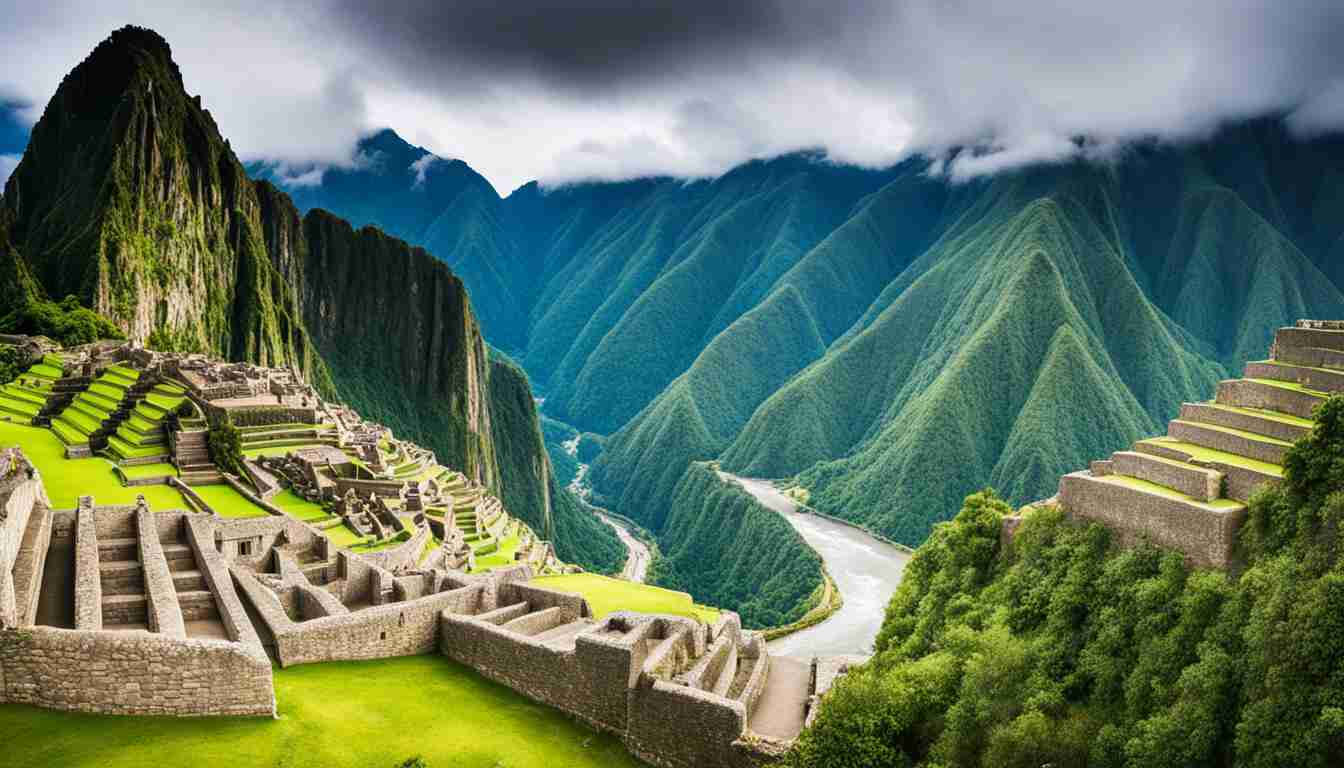
Dry Season: May to September
The dry season in Machu Picchu runs from May to September. It’s the best time to visit this famous Inca site. You’ll see clear skies, less rain, and temperatures between 12°C (54°F) and 24°C (75°F).
This season is also the busiest time, with more tourists. Be ready for bigger crowds and higher prices for places to stay and activities.
Weather Conditions
The weather in Machu Picchu during the dry season is stable and predictable. Daytime temperatures are between 11°C (51.8°F) and 25°C (77.0°F), with cooler nights. It hardly rains, with just 22mm (0.87 inches) in July, the driest month.
This weather makes it perfect for hiking and seeing the ancient ruins.
Pros and Cons
- Pros:
- Clear skies and less rain
- Good temperatures for exploring
- Safer and easier hiking trails
- Cons:
- Bigger crowds and higher prices
- More competition for places to stay and services
- Colder nights, especially in June, July, and August
The dry season is a great time to visit Machu Picchu. The weather is good, but be ready for more people and higher costs.
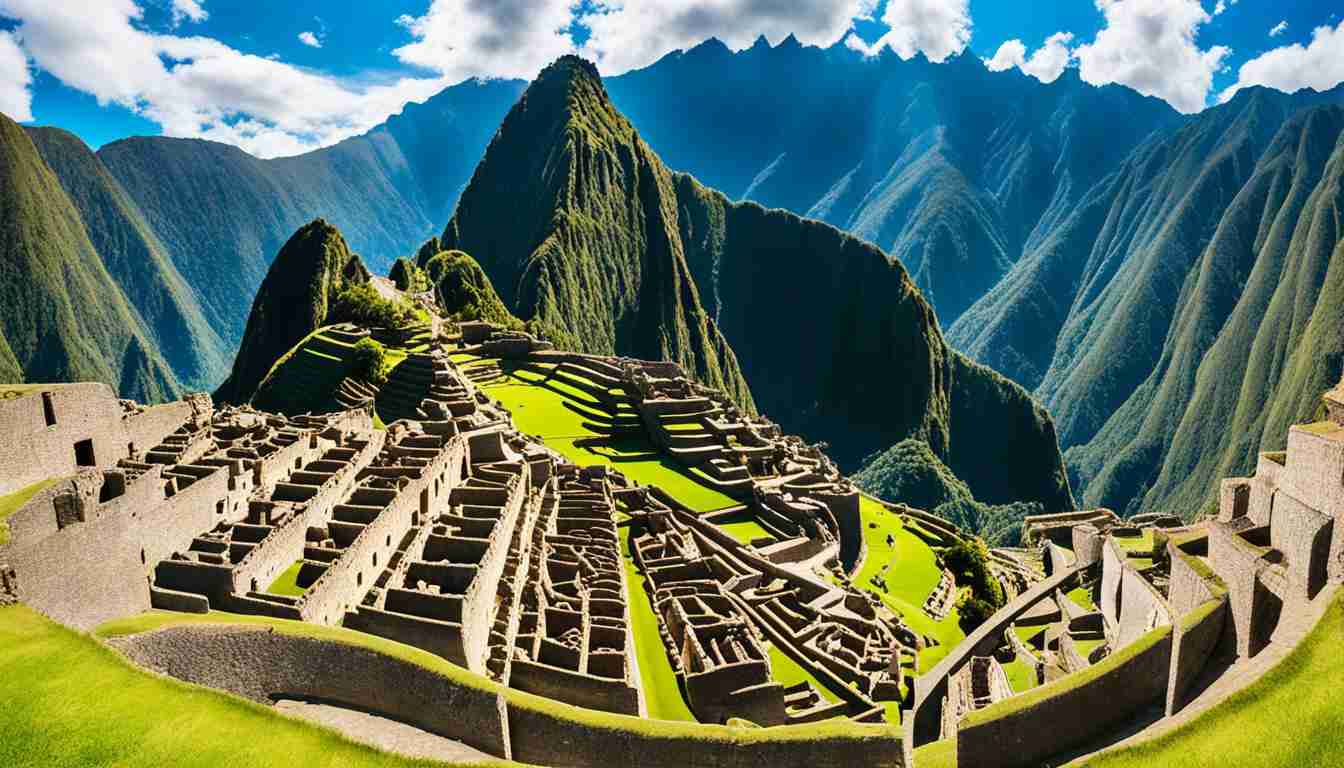
Rainy Season: November to March
The rainy season at Machu Picchu is from November to March. The most rain falls between January and March. This time can be tough but also special for those who want a peaceful, green experience.
In November, the rainy season starts. It rains about 12 days a month. The weather is nice, with temperatures between 26°C (78.8°F) and 13°C (55.4°F). But, remember, tickets for Machu Picchu can be gone up to a month early, so plan ahead.
By February, it’s usually very wet, with 18 rainy days in Machu Picchu and 13 in Cusco. In Cusco, it’s warm during the day but gets cooler at night. The rain makes everything green and beautiful, perfect for your trip to Machu Picchu.
| Location | Average Rainfall (mm) | Average Temperature (°C) |
|---|---|---|
| Machu Picchu | 80-100 | 18-23 (day), 8-12 (night) |
| Cusco | 130-150 | 25 (high), 13 (low) |
Visiting Machu Picchu in the rainy season means fewer people. This makes your visit quieter and more personal. You also have a better chance of getting tickets last-minute, unlike the busy dry season.
“The rainy season in Peru’s Andes typically occurs between November and April, with January and February often being the wettest months.”
The rainy season has its challenges, like possible site closures. But, it also brings unique chances for visitors. Enjoying the season’s beauty and avoiding the crowds can make your Machu Picchu trip unforgettable.
Shoulder Seasons: April and October
April and October are the best times to visit Machu Picchu. These months offer good weather and fewer people. Temperatures range from 12°C (54°F) to 22°C (72°F). It’s a great time to see the site with fewer crowds and stable weather.
Benefits of Visiting
Visiting Machu Picchu in the shoulder season has many perks:
- Fewer crowds: There are fewer tourists, so you can enjoy the site with more space.
- Moderate temperatures: The weather is mild, perfect for exploring the ruins.
- Reduced rainfall: It rains less, making your visit more enjoyable.
- Favorable photography conditions: The lighting is great for taking amazing photos, especially during sunrise and sunset.
- Hiking opportunities: The trails, like the Inca Trail, are in good shape, making hiking more fun.
Planning your trip to Machu Picchu in April or October means a peaceful and comfortable visit. You’ll enjoy great weather and fewer people, making it a memorable experience.
best time to go to machu picchu
Choosing the right time to visit Machu Picchu can make your trip better. The best time is from May to September. This period offers ideal weather and less crowded conditions.
Ideal Weather Conditions
The dry season brings clear skies and comfortable temperatures from 59°F to 68°F. It’s great for exploring the ruins and hiking trails. The sunny days let you see Machu Picchu’s beauty fully.
Crowd Levels
The dry season is busy, but you can still avoid the crowds. Visit in April, May, September, or October for fewer people and good weather. June, July, and August are the busiest, but it’s still worth it.
| Season | Months | Temperature Range | Crowd Levels |
|---|---|---|---|
| Dry Season | May to September | 59°F (15°C) to 68°F (20°C) | Moderate to High |
| Shoulder Season | April, May, September, October | 59°F (15°C) to 72°F (22°C) | Low to Moderate |
| Rainy Season | November to March | 46°F (8°C) to 72°F (22°C) | Low |
Visit during the dry season or shoulder months for the best experience. You’ll get ideal weather and less crowded conditions. This makes your visit to Machu Picchu unforgettable.
Early Morning Visits
Many people try to get to Machu Picchu early, often catching the first bus from Aguas Calientes at 5:30 AM. This early visit has its perks but also has some downsides.
Advantages of Early Morning Visits
- See Machu Picchu in the early light, creating a serene and magical atmosphere.
- May find fewer crowds, making your visit more peaceful and intimate.
- Can start hikes to places like Huayna Picchu or Machu Picchu Mountain with fewer people around.
- Enjoy clearer skies and less fog, giving you better views and photos.
Disadvantages of Early Morning Visits
- Expect longer lines and waits for the bus from Aguas Calientes, as many want to get there early.
- Find more people once you’re at the site, as early morning is a top choice for visitors.
- Have less time to see everything, as the ‘Machu Picchu Only’ ticket only allows about 4 hours.
Even with the downsides, many travelers prefer visiting Machu Picchu in the early morning. With good planning and being ready for crowds, you can fully enjoy your visit. You’ll see the site in its most beautiful and inspiring light.
“The early morning light at Machu Picchu is simply breathtaking. It’s a magical time to explore the site and feel a deep connection with its ancient history.”
Late Afternoon Visits
Visiting Machu Picchu in the late afternoon can be peaceful and less crowded. Most people come in the mid-morning, so it’s quieter later on. This is a great time to see the ruins and enjoy the views, but remember, it closes at 5:00 PM.
One big plus of visiting Machu Picchu late afternoon is fewer people around. You’ll have more room to explore and feel the true spirit of this ancient city. The late afternoon light also adds a special touch, making your visit unforgettable.
But, remember, the site closes at 5:00 PM. So, plan your visit and time to see everything you want. Late afternoon visitors have less time than those who come earlier.
| Time of Day | Crowd Levels | Lighting Conditions | Exploration Time |
|---|---|---|---|
| Early Morning | Higher | Favorable | Longer |
| Late Afternoon | Lower | Atmospheric | Shorter |
To enjoy a late afternoon visit to Machu Picchu, aim to get there by 3:00 PM or 4:00 PM. This gives you enough time to see the ruins and enjoy the views before it closes. With careful planning, you can have a peaceful visit and still soak in the wonder of Machu Picchu.
Hiking Opportunities
Machu Picchu, the iconic Inca citadel, offers visitors a range of captivating hiking opportunities. You can explore the breathtaking landscape and dive into the rich cultural heritage. The famous Inca Trail, and the challenging hikes of Huayna Picchu and Machu Picchu Mountain are top choices.
The Inca Trail
The Inca Trail is a world-famous hiking route. It takes adventurers through lush cloud forests, high mountain passes, and ancient Inca ruins to Machu Picchu. This trek is very popular, so get your permit early, especially during peak times like Thanksgiving and Christmas.
The Inca Trail is closed in February for maintenance. Plan your visit wisely. The best time to go is from late March to May and from September to mid-December. The weather is good, and there are fewer people then.
Huayna Picchu and Machu Picchu Mountain
If you’re up for a challenge, consider hiking Huayna Picchu or Machu Picchu Mountain. These hikes offer amazing views of the citadel and the Andes. But, you need to book early and go during the dry season.
Only 200 permits are available daily for Huayna Picchu, and 400 for Machu Picchu Mountain. Book your tickets early to get your spot and avoid missing out.
Choosing any hiking option lets you experience Machu Picchu on foot. It’s an unforgettable way to connect with the wonder and grandeur of this ancient Inca site.
Photography Opportunities
Machu Picchu is a dream spot for photographers. It has stunning Inca ruins against the Andes, perfect for amazing photos. The best times to take pictures are in April, September, October, and November. These months have great lighting and fewer people.
The morning and afternoon light are ideal for photos. The mist in the early morning or late afternoon adds a magical touch. Use wide-angle lenses to capture the vast views. But, remember to follow the photography rules and gear restrictions at the site.
Lighting Conditions
The best light for photos is at sunrise or sunset. Sunset is best to miss the morning mist and rain. Machu Picchu’s high location means the weather can change fast. So, be ready for anything.
To find unique shots, go early in the morning or late in the day. Or visit from October to February when it’s less crowded. Be patient and wait for the perfect shot.
“Machu Picchu is a true photographer’s paradise, offering countless opportunities to capture the stunning Inca ruins against the backdrop of the majestic Andes.”
If you love photography, Machu Picchu is a must-see spot. With the right gear and timing, you can capture its beauty. It’s a chance to make unforgettable photos and memories.
Special Events and Festivals
Machu Picchu, the famous Inca citadel, is open all year. This includes holidays and cultural celebrations. Visitors might see the lively machu picchu festivals in the area.
The Inti Raymi, or Inca Festival of the Sun, is a big event. It happens every June in Cusco. The festival shows the Inca’s love for the sun with colorful costumes, music, and rituals. Thousands come to see it, making it a special part of a machu picchu special events visit.
The Qoyllur Rit’i is another important festival. It’s a pilgrimage near Cusco in late May or early June. People from all over come to honor the mountain Ausangate. They do spiritual rituals and celebrate traditions that go back a long time.
These festivals make visiting Machu Picchu special, but they can also mean more people and higher prices. It’s good to plan ahead and visit during less busy times if you can.
Choosing when to visit Machu Picchu lets you dive deep into Andean culture. You can explore ancient ruins, hike the famous Inca Trail, or see a festival. Any way you experience it, it will be memorable.
Conclusion
Machu Picchu is an amazing Inca site open all year. The best time to see it is from May to September. This period offers little rain, clear skies, and fewer people than in June, July, and August.
The shoulder seasons of April and October are great too. They have warm, sunny days and not too many people. Whether you go in the dry season or the shoulder seasons, plan well and be ready for the weather. This will make your visit unforgettable.
Choosing the best time to go to Machu Picchu means enjoying what each season offers. With good planning and a flexible attitude, you’ll have a trip to remember at this famous UNESCO World Heritage Site.